Fabrication, machining, and repair for public works and utilities in Central Washington
We fabricate assemblies, make replacement components in quantity, build custom pipe spools and structural steel, and rebuild equipment for public works, utilities, and infrastructure contractors.
Start with the drawings, failed part, existing system, quantity, schedule, and the result the finished work must produce.
The teams responsible for equipment the public relies on
An obsolete part, multi-process repair, or one-off component can begin with the failed equipment and the result it needs to produce.
Municipalities
Public works
Water & wastewater
Public utility districts
Infrastructure contractors
Waste operations
Capabilities for this market
Public works fabrication, machining, and repair
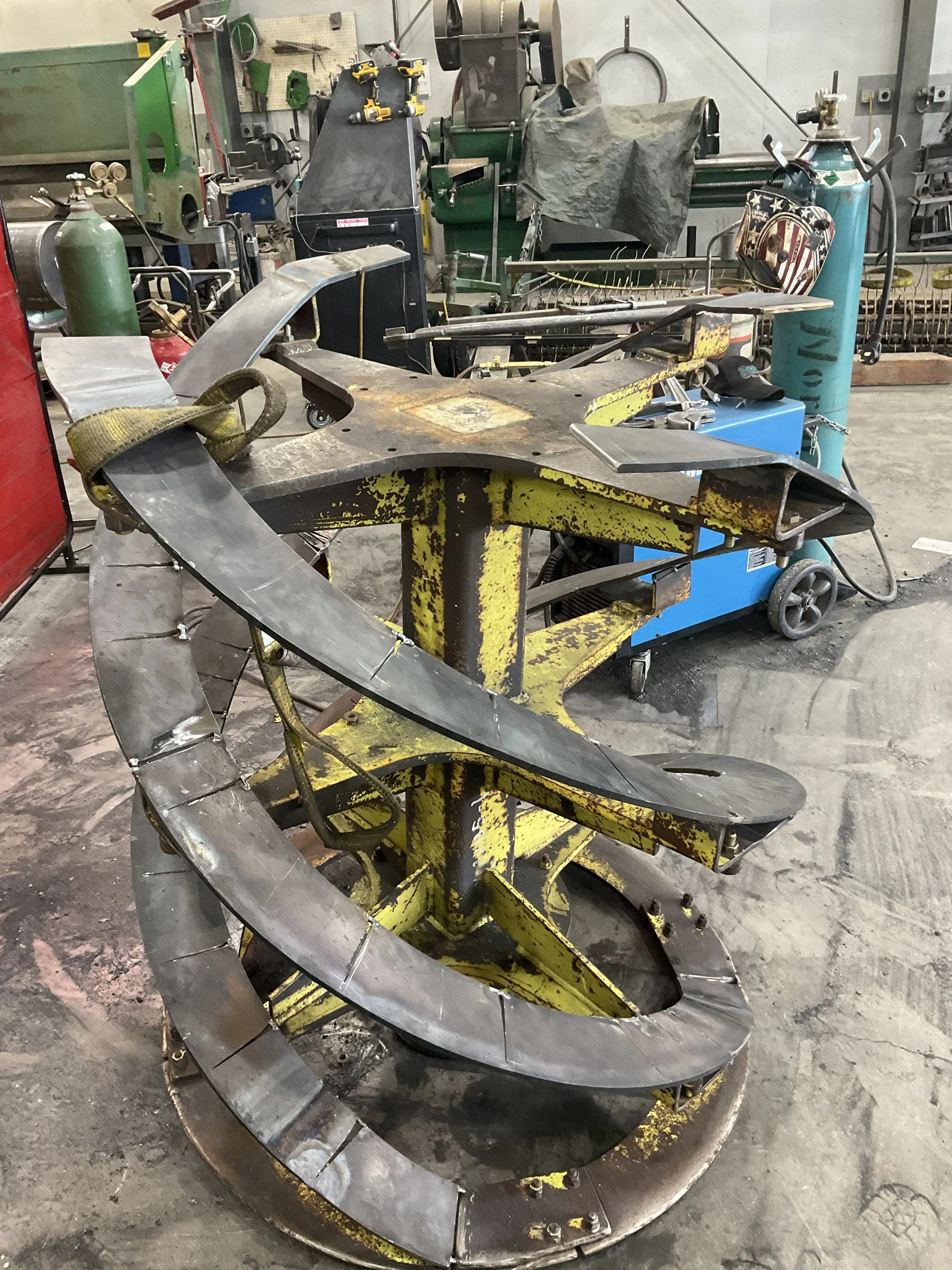
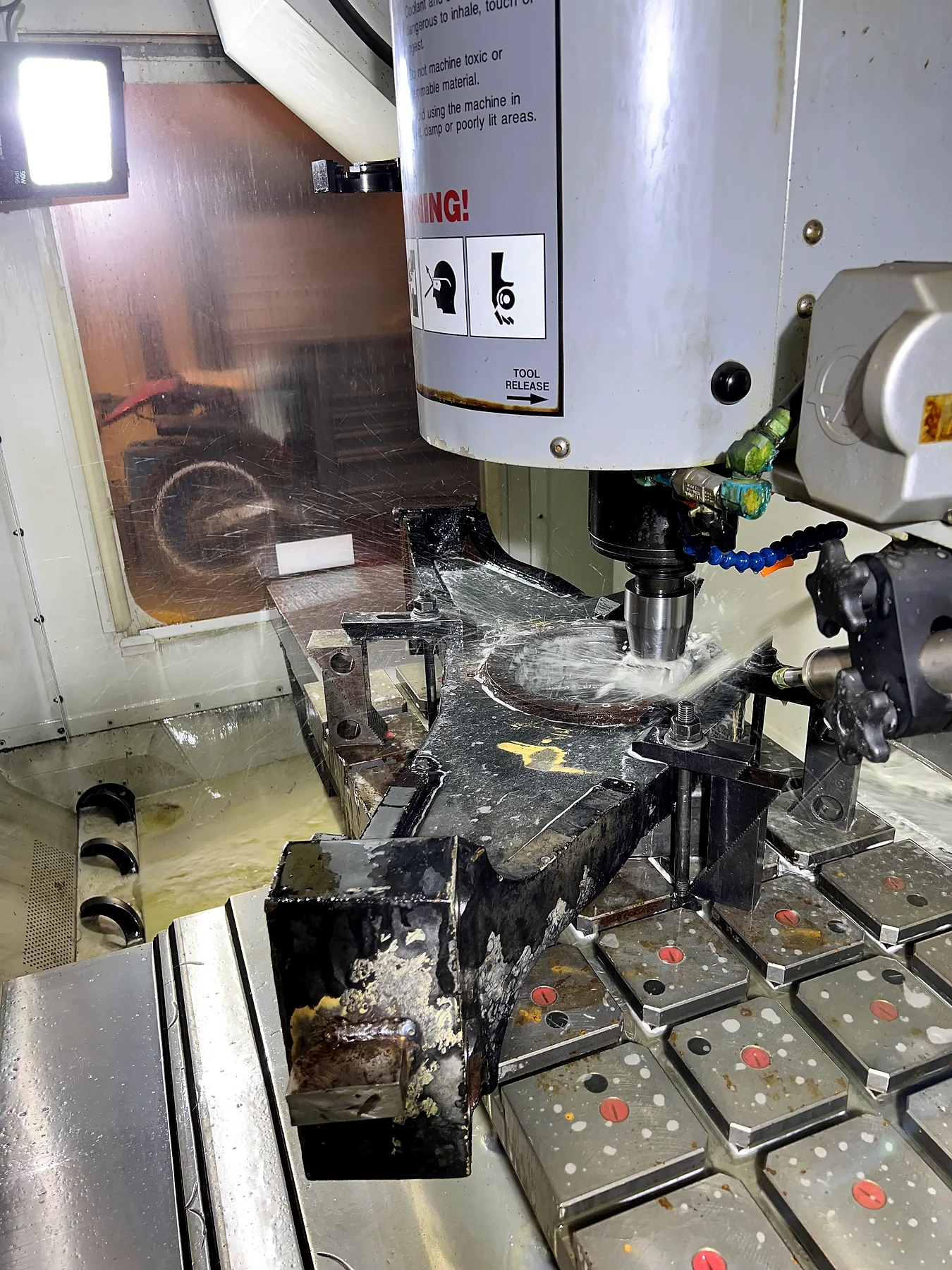
A repair can move from measurement and machining to forming, welding, and final fit-up. We review the whole assembly before deciding which shop processes belong in the job.
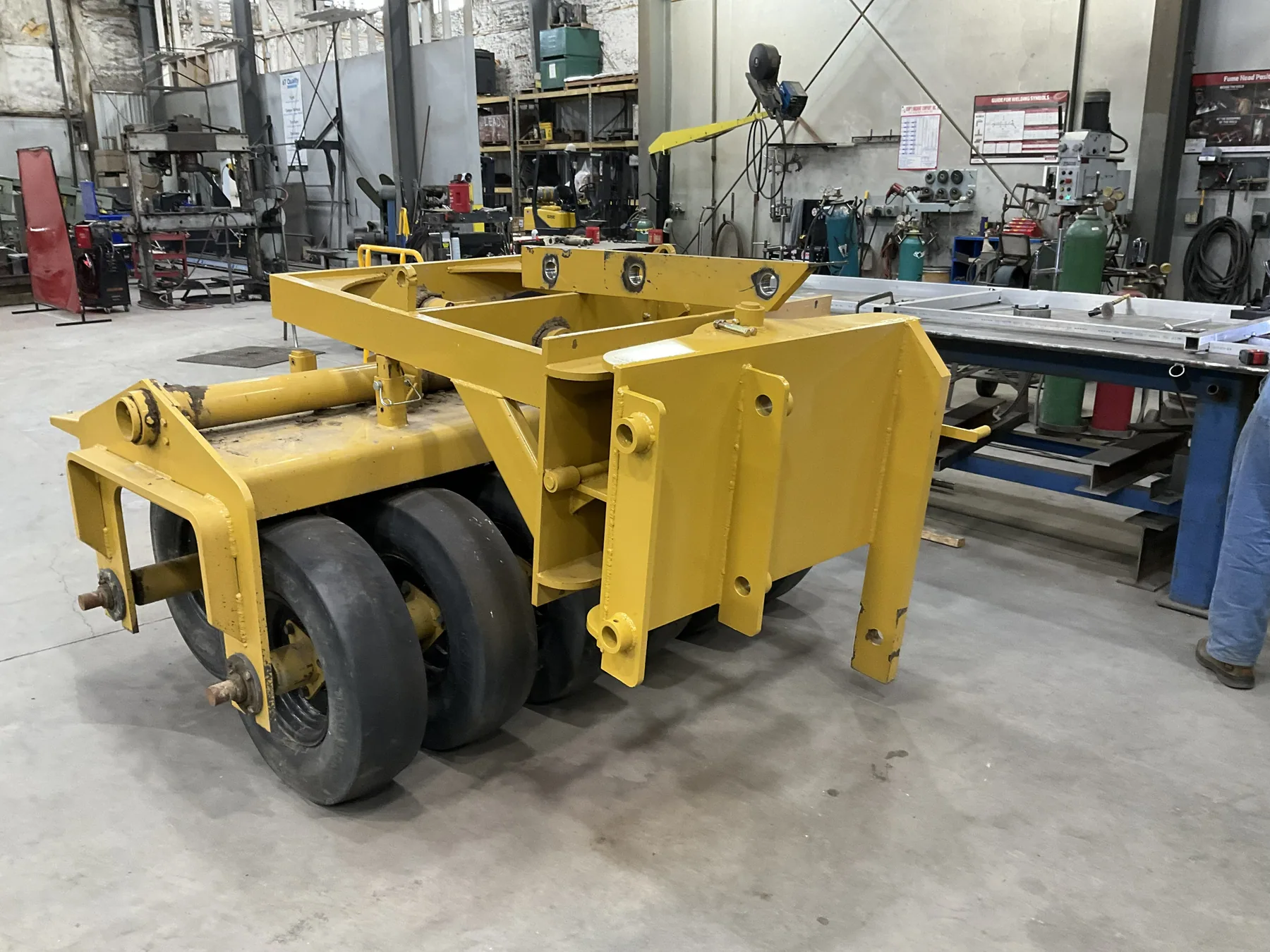
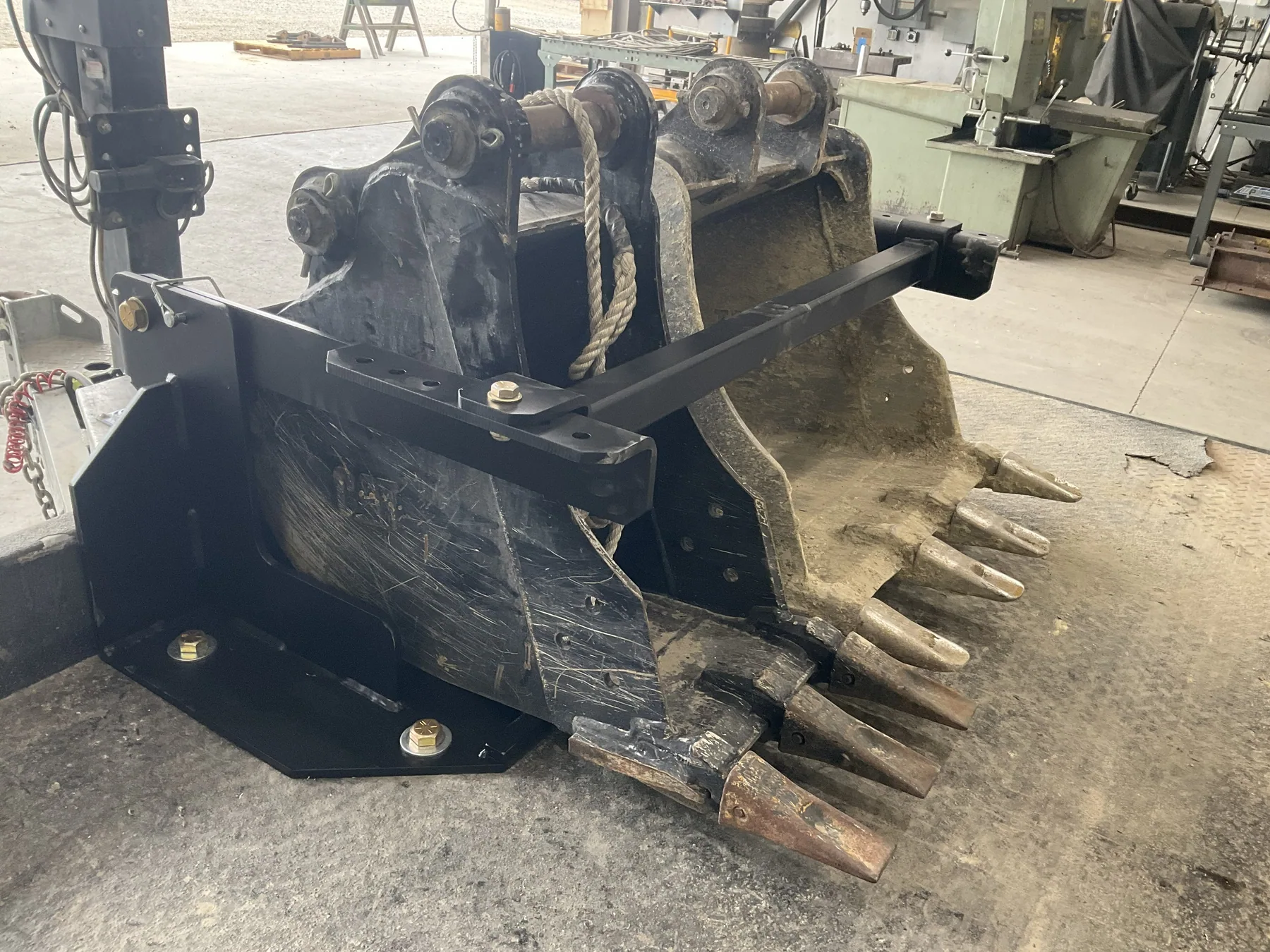
These two views show a fabricated attachment in the shop and the same assembly installed on an excavator bucket.
Applications
Planned fabrication and repair work
Public work can start with a bid package, a required quantity, an existing system that must be matched, or equipment that needs a practical rebuild.
Fabricated assemblies
Frames, restraints, supports, equipment modifications, and project-specific assemblies built from the supplied requirements.
Replacement components
Machined or fabricated components made as one part or in a defined quantity when the original is obsolete or difficult to source.
Pipe spools & structural steel
Custom-diameter flanged spools, equipment supports, brackets, embeds, and structural components for public infrastructure work.
Equipment rebuilds
Inspection, machining, fabrication, hydraulics, straightening, and fit-up planned around the assembly and the work it must return to.
Public purchasing
Working with public agencies
City, county, public utility district, and state buyers often need a clear scope before a shop can review the work. Send the drawings, specifications, quantities, required timing, delivery information, and purchasing requirements that apply. For repair work, include photos, the worn component, or information about the larger assembly when available.
We review the package to determine whether the work fits our shop and which processes belong in it. A fabricated assembly may require CAD, cutting, forming, machining, welding, and outside finish coordination. A replacement component may begin with measurement and a sample part. An equipment rebuild may need several repair processes planned around one assembly.
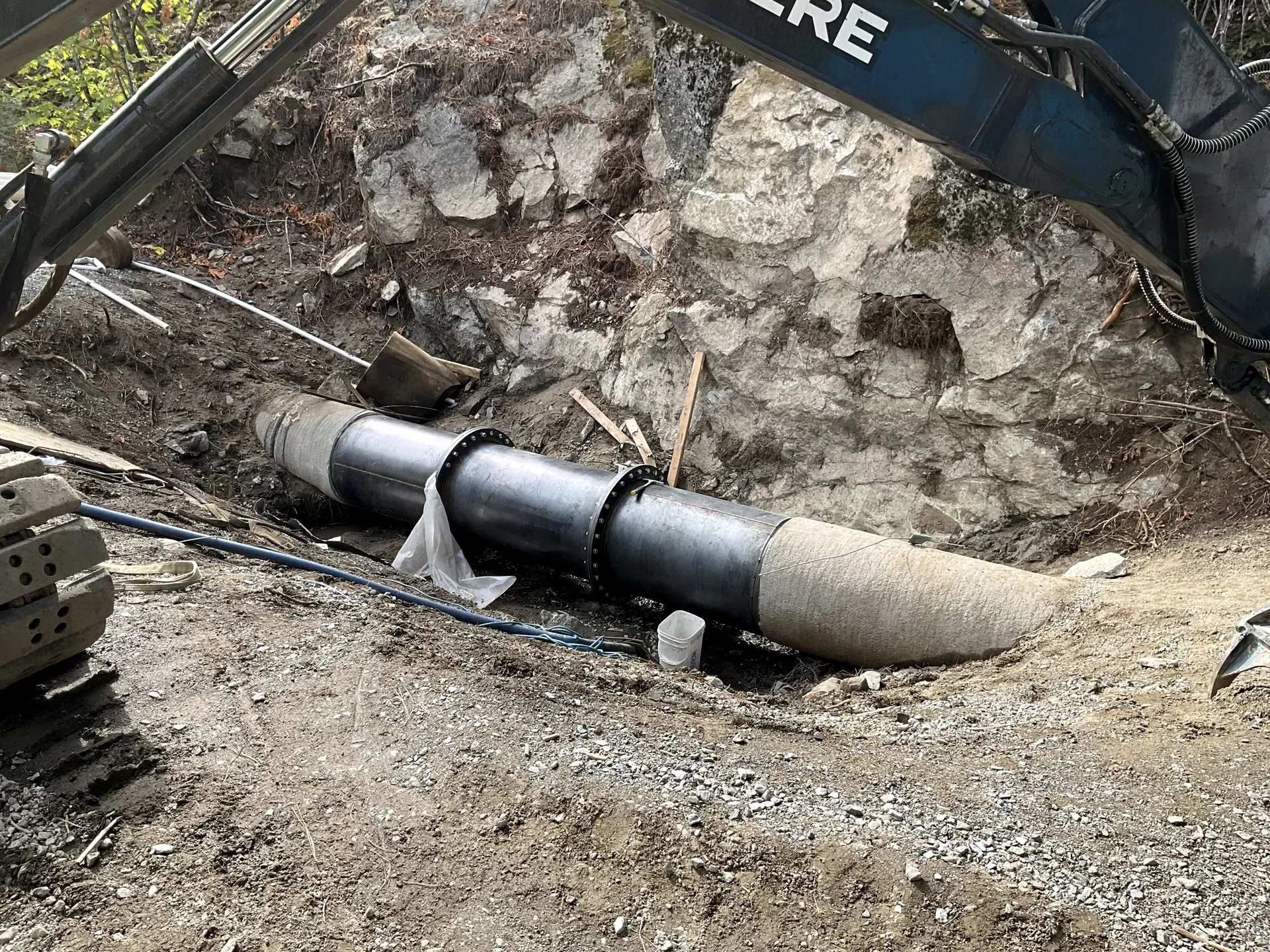
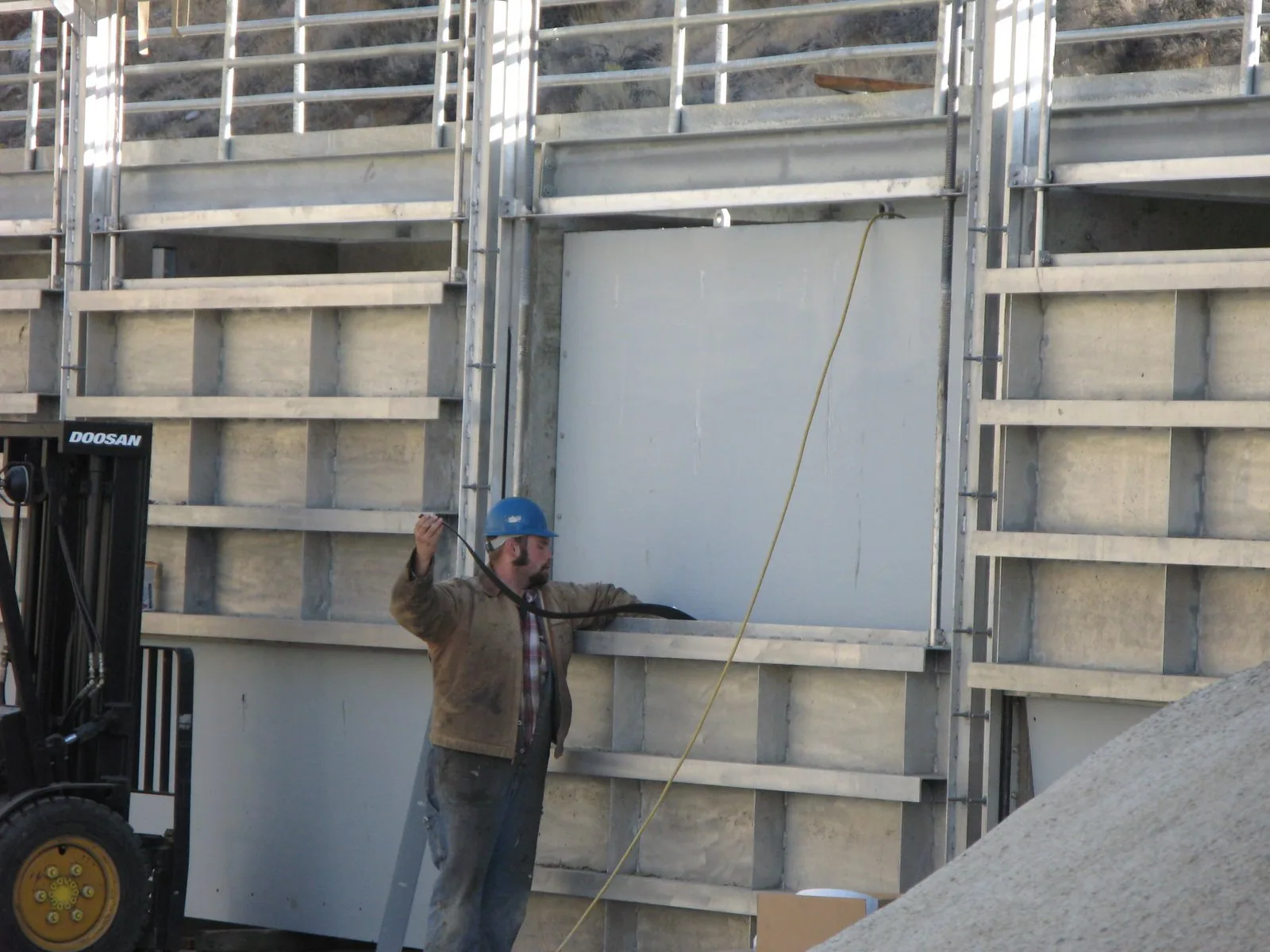
This large assembly documents the scale and coordination involved in project-specific infrastructure work.
A practical replacement path
Start with the damaged component
A worn component may need inspection and measurement before a replacement can be machined. A damaged assembly may need straightening, cutting, fabrication, hydraulics, or finishing. We plan those operations around the equipment and job scope.
Inspect
Measure
Plan
Repair or make
Verify
How Barnes works
Reduce variation where the work allows it
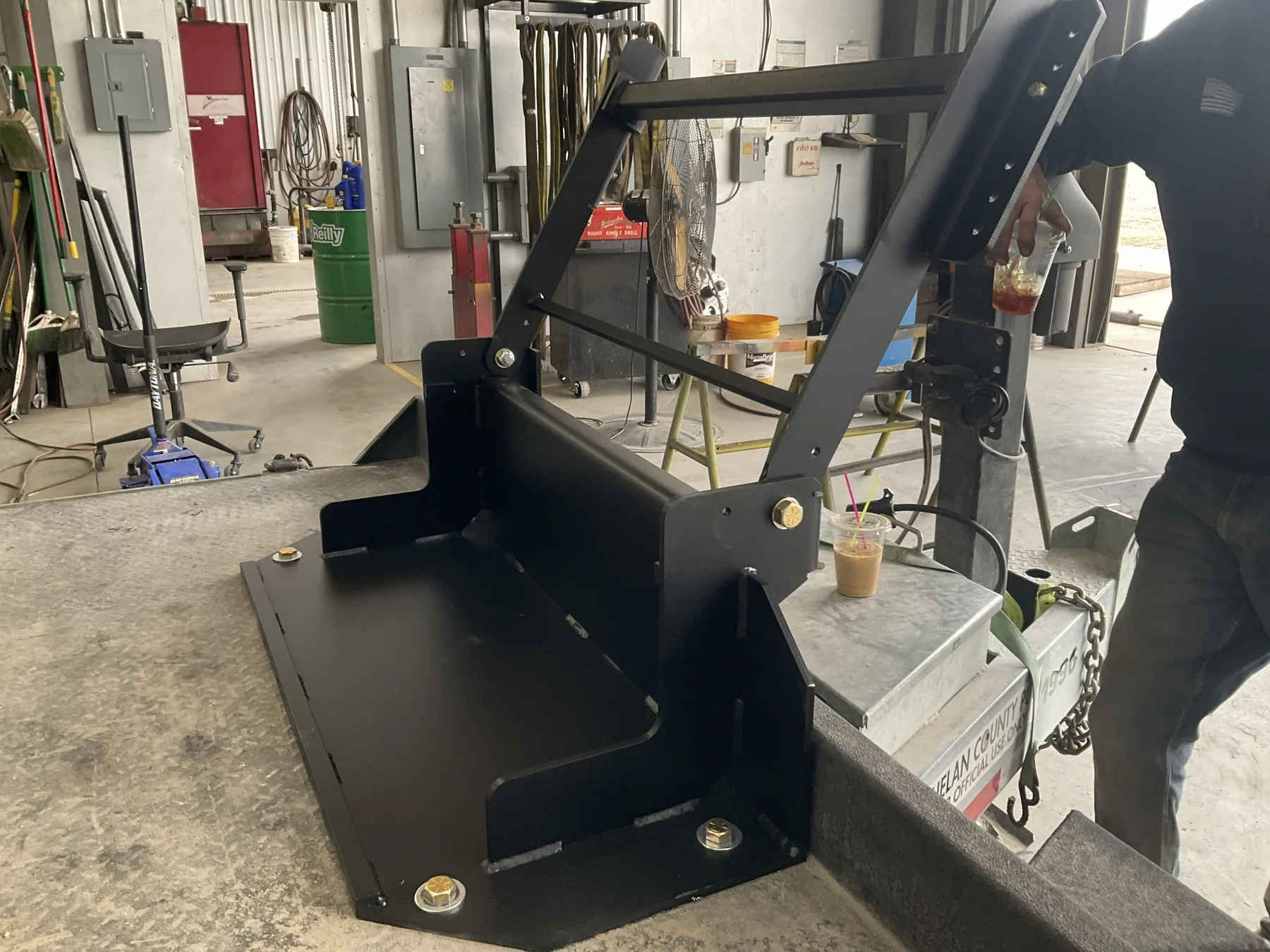
The bucket restraint replaced loose straps with one folding, lockable position on the trailer.