
CNC lathe · real Barnes work
Turning in the shop
Actual lathe work on a Barnes job—not a stock machine video.
CNC · conventional · repair machining
CNC and conventional machining for new components, replacement parts, prototypes, tooling, repair work, and difficult-to-source parts.
The job may start with a drawing or a worn part on the counter. Both show function, fit, and material.
CNC lathe · real Barnes work
Actual lathe work on a Barnes job—not a stock machine video.
One-off and low-volume jobs can begin with a drawing, model, sample, damaged component, or complete assembly.
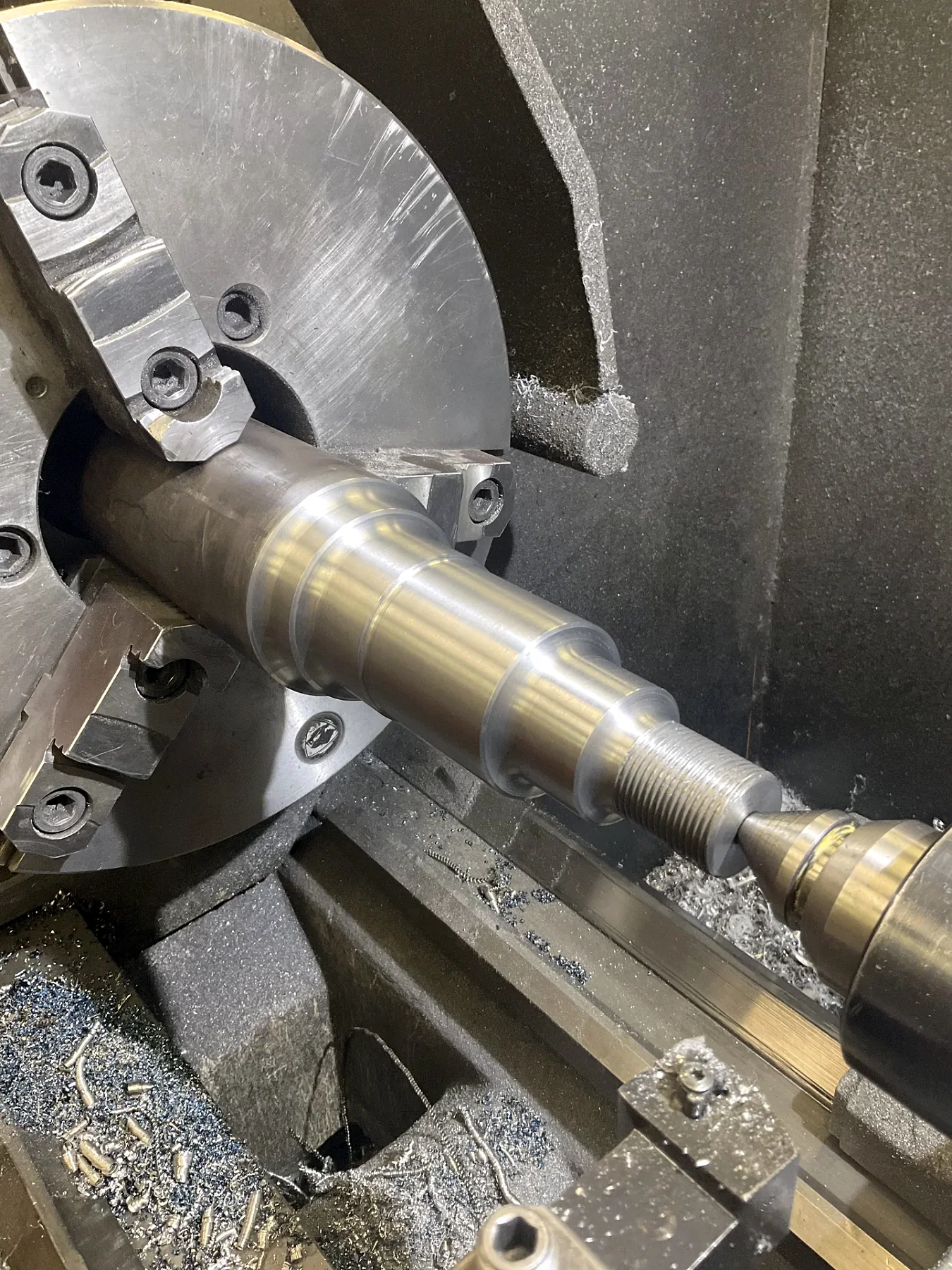
Turning · milling · CNC + conventional
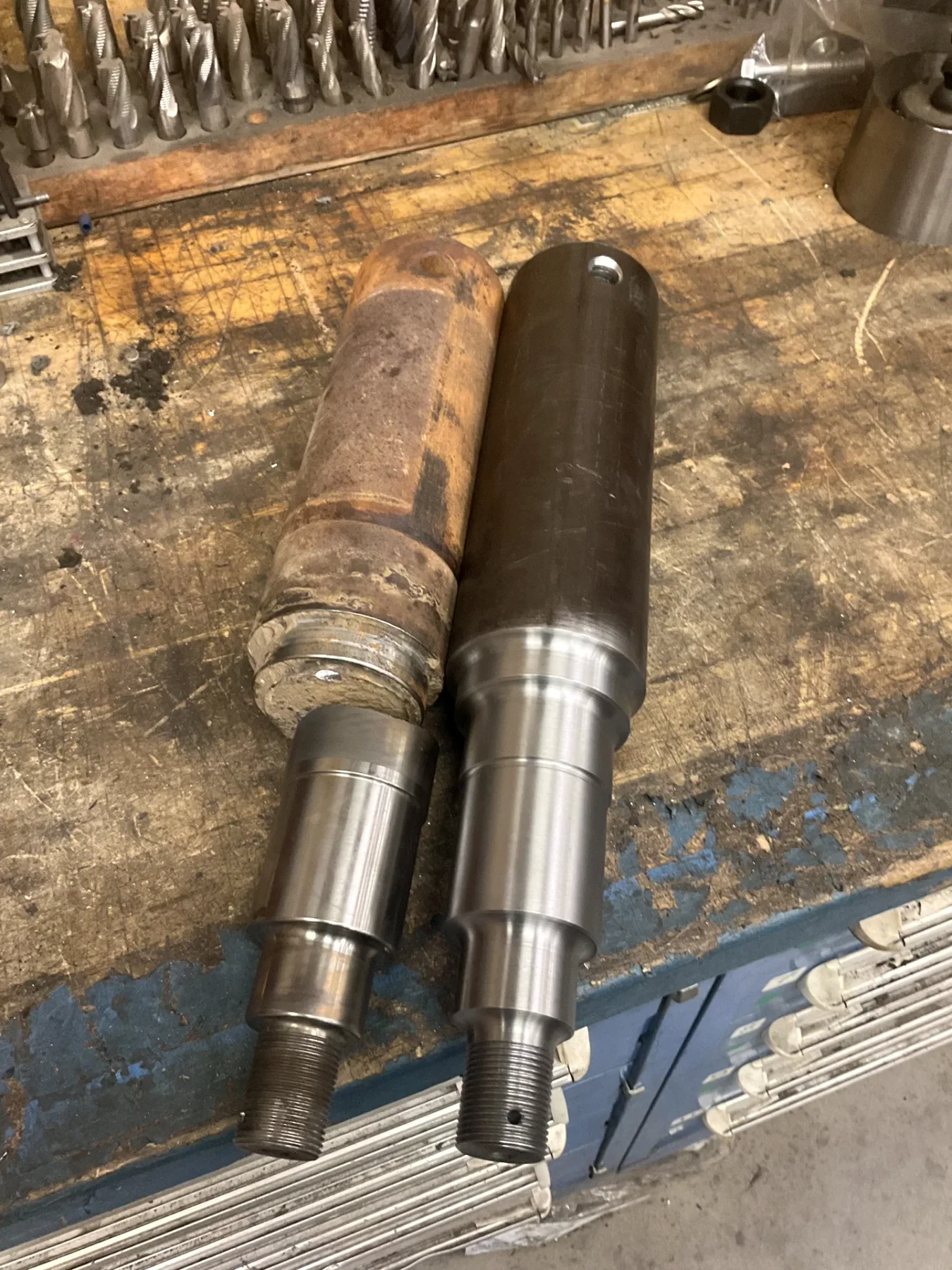
Shafts, pins, sleeves, bushings, threads, repair parts, and replacements. The setup may start with raw stock or the worn part that came off the machine.
Faces, pockets, slots, hole patterns, mounting features, contours, fixtures, and tooling. Milling may be the whole job or one step in a fabricated assembly.
CNC supports repeat work and complex geometry. Conventional machines handle repairs, one-offs, unusual setups, and modifications. We choose the machine from the part, quantity, and required result.
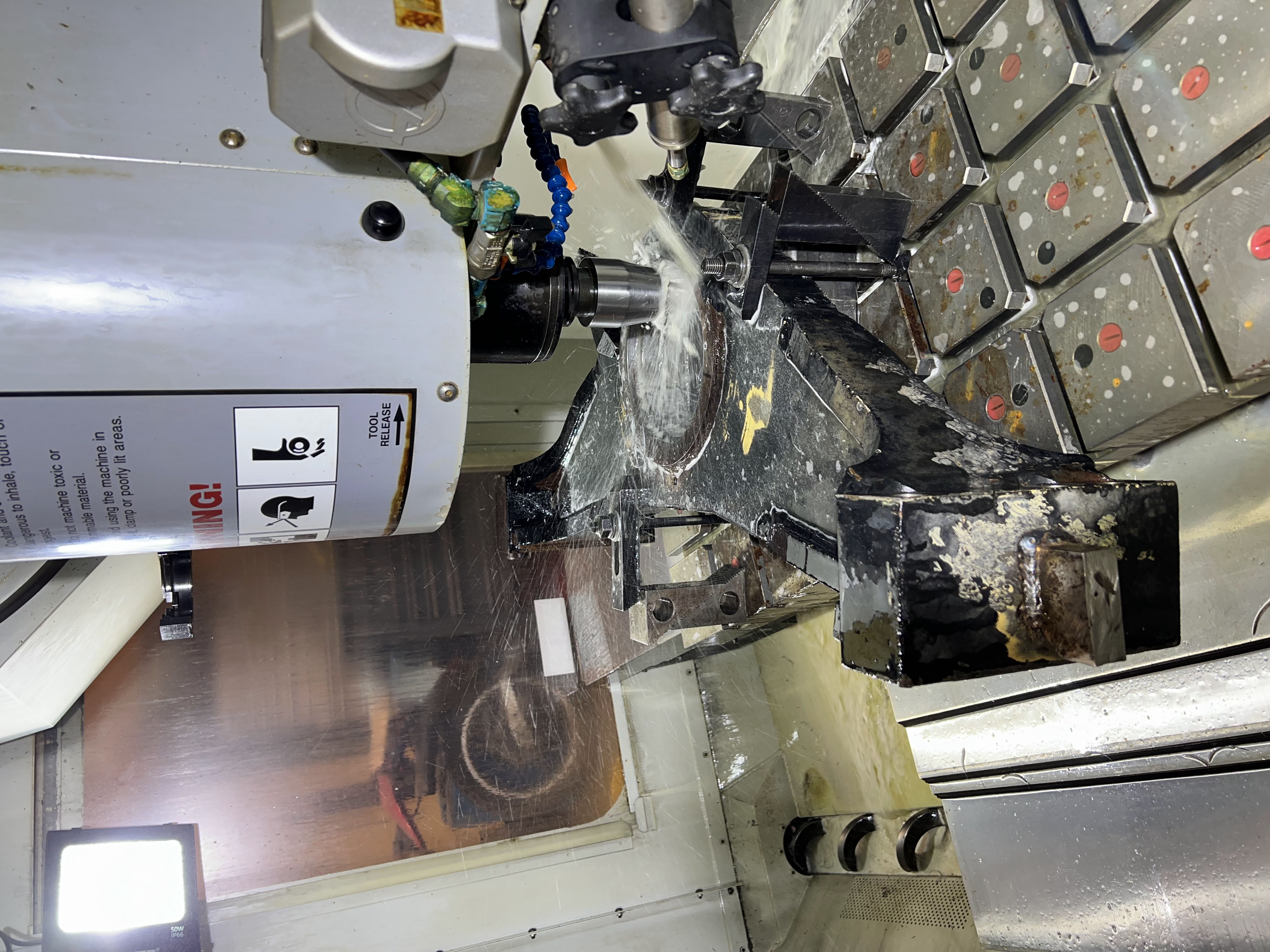
Active machining
A controlled cut on an actual component in the Barnes machine shop.
Milling
Faces, profiles, slots, holes, and other features taking shape.
When the part is not on the shelf
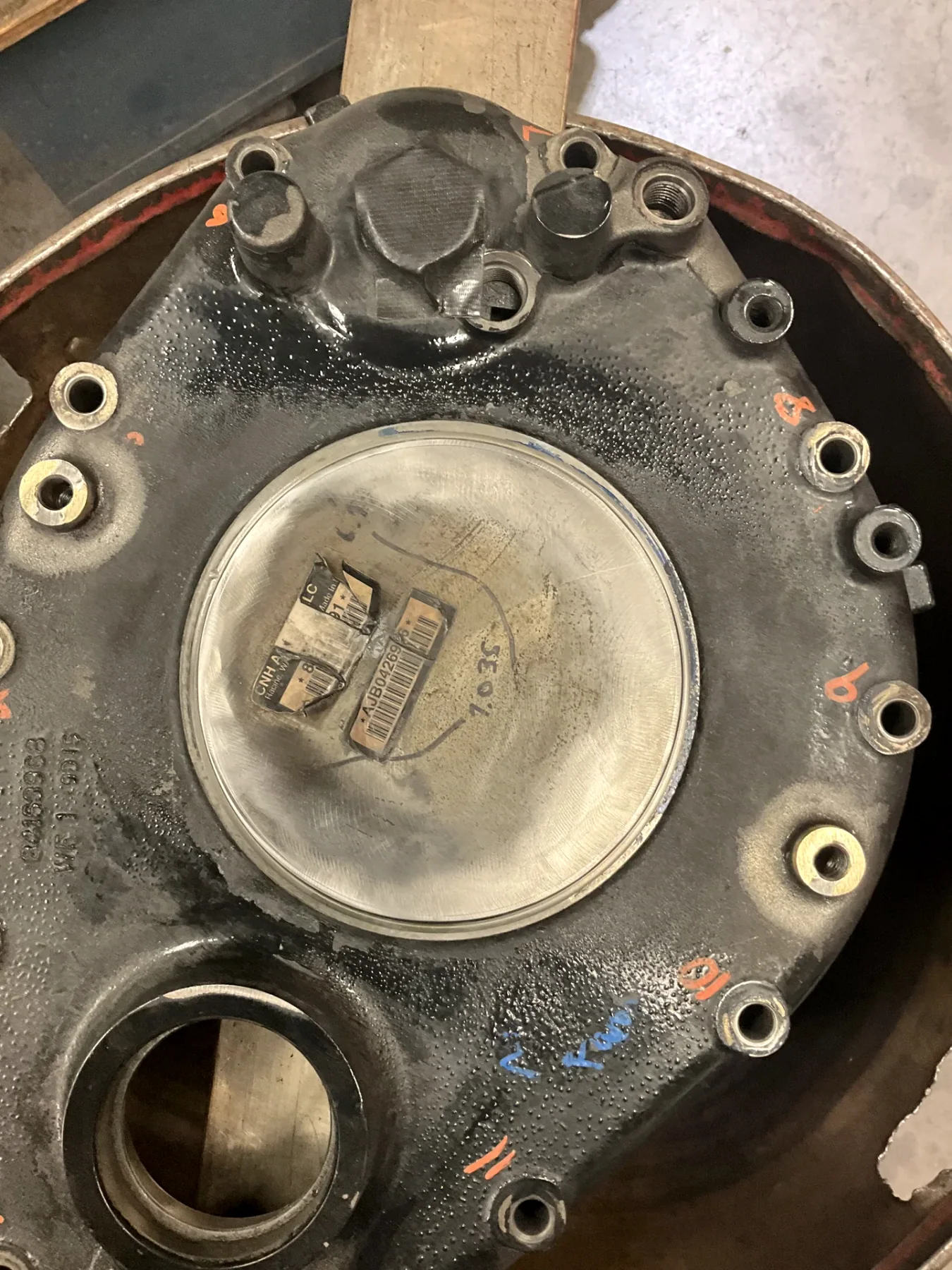
Replacement parts become obsolete, wear out, or take too long to arrive. The worn piece still shows its fit, function, and failure.
We can inspect the component and determine whether to repair it, machine a replacement, or modify another part. The surrounding assembly matters as much as the piece on the counter.
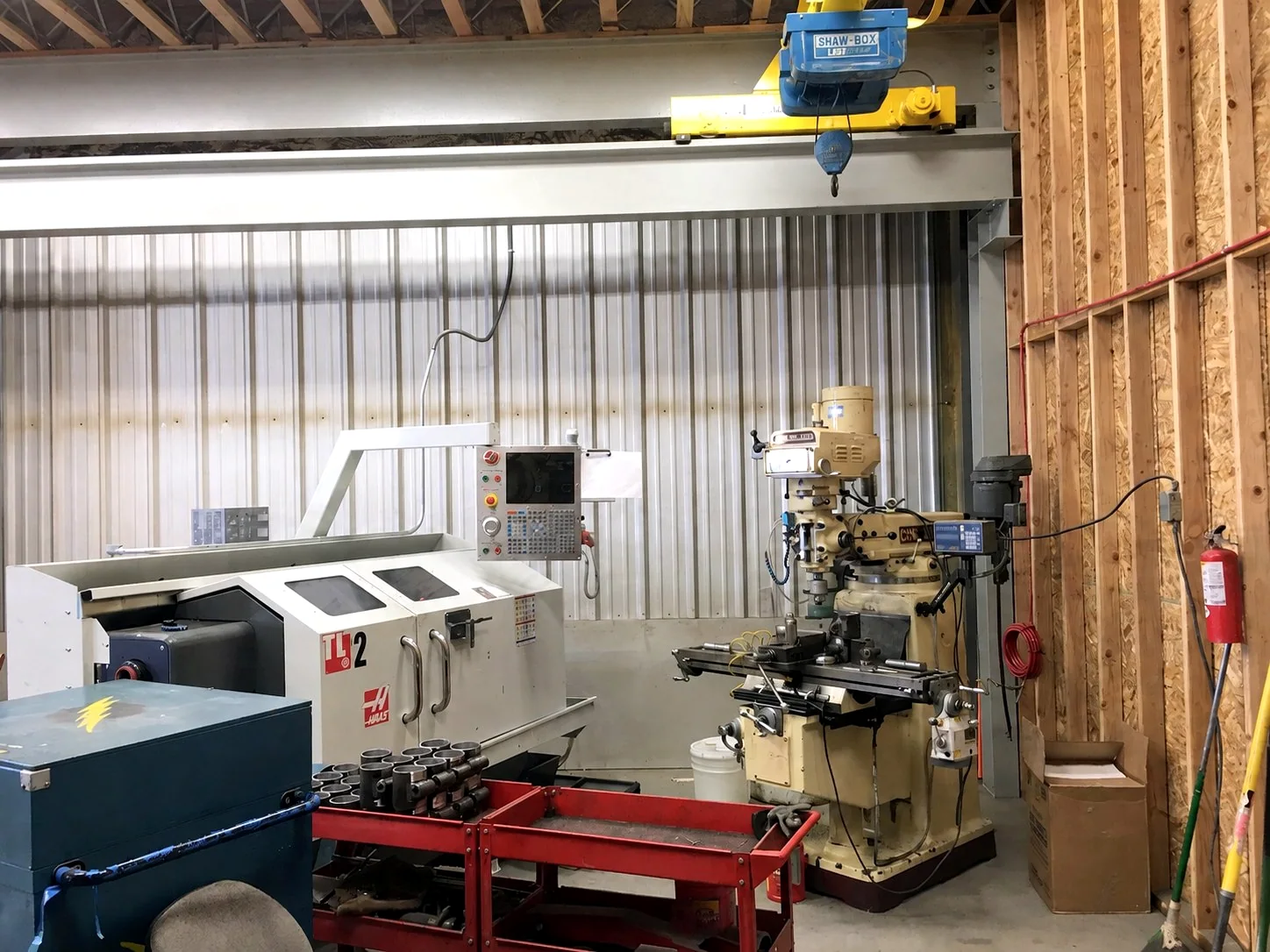
Connected shop processes
A project may move through CAD, 3D scanning, machining, fabrication, welding, cutting and forming, 3D printing, or finishing. Keeping that work in one shop makes the connections between parts easier to manage.
One shop can carry the part through the next operationWhere machining fits
How we approach the work
3S, standard work, and job-defined checks help the machinist catch a problem before it travels to the next operation. Setup notes, inspection points, and handoffs matter alongside the machine itself.
How we work ↗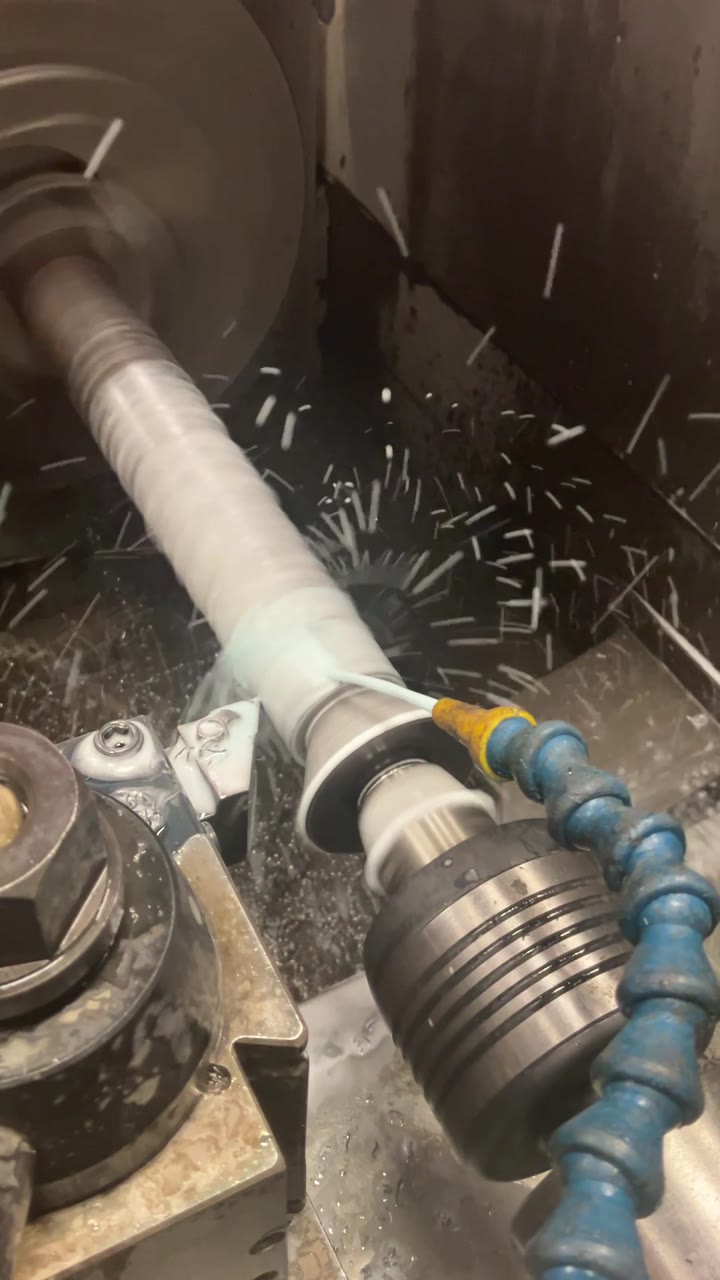
Start a project
The drawing, worn component, and required result give us a place to start.