
Friendly
Use a small-town approach that makes people comfortable bringing Barnes a difficult problem.
Waterville, Washington · roots in 1970
Barnes grew from agricultural repair and practical problem solving into a regional machining, fabrication, repair, and manufacturing shop.
Who Barnes is
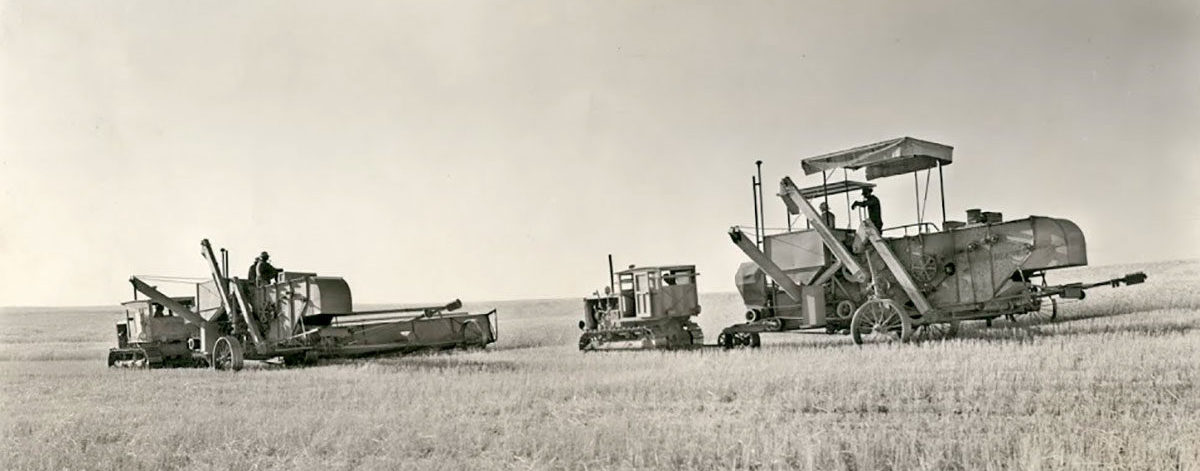
Barnes is a diverse team carrying forward work that began near Waterville in 1970. The company is well known for dryland wheat equipment and agricultural problem solving, but the work now reaches well beyond agriculture and beyond welding.
Modern design and manufacturing methods sit alongside trade knowledge built through decades of repair, machining, fabrication, and equipment work. For a customer, that means the conversation can start with a broken part, a drawing, a machine, or simply a problem that needs sorting out.
Our mission
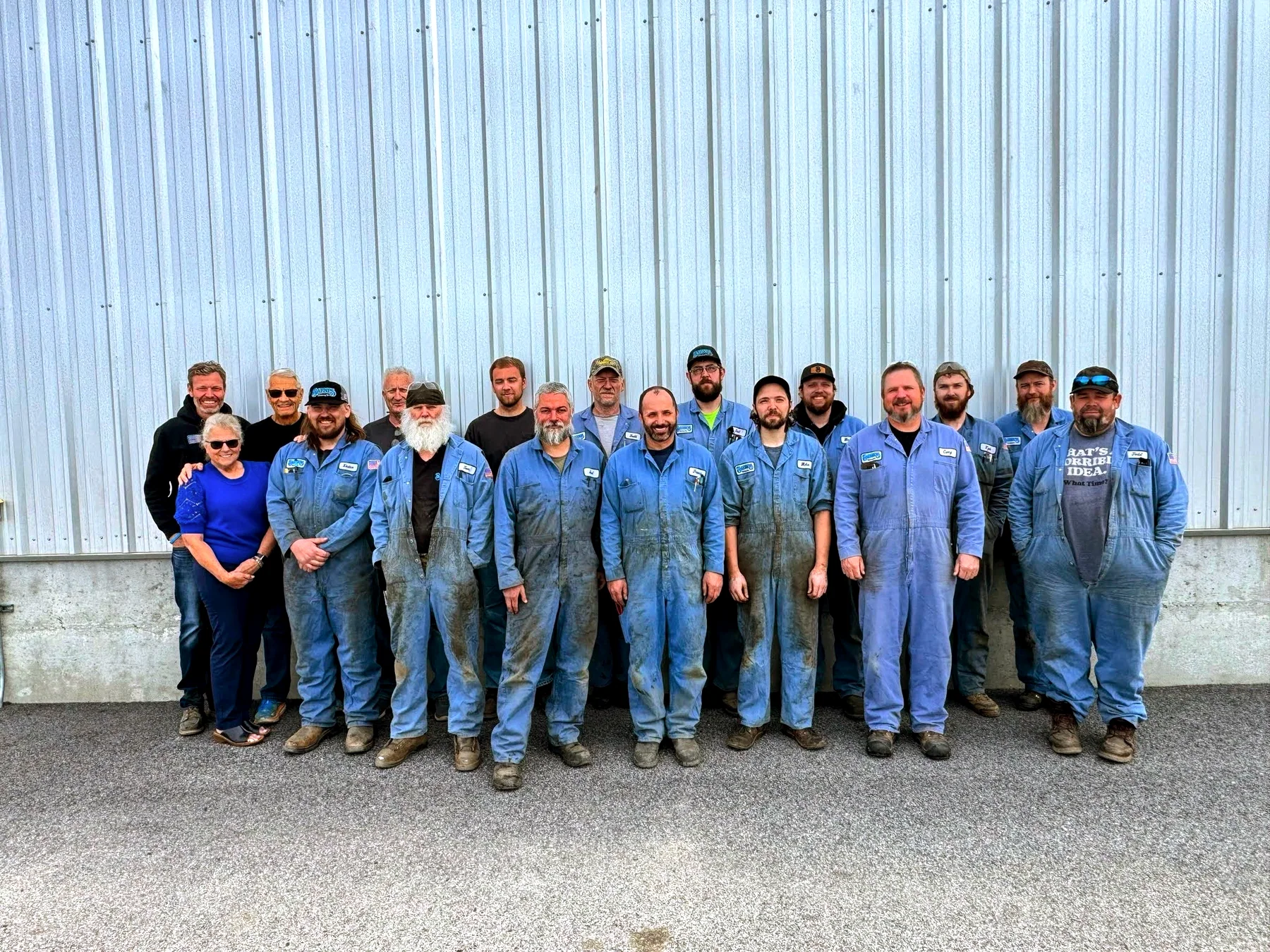
To be a friendly, resourceful team that is open to tackling new challenges proactively with our customers who appreciate the value of a long-term, honest, and reliable relationship.
Barnes values
These are the values Barnes uses to explain the mission. They shape how the company treats customers, teammates, suppliers, and the work itself.
Use a small-town approach that makes people comfortable bringing Barnes a difficult problem.
Draw on experience across industries and keep looking for a better way to solve the work.
Contribute selflessly and humbly to the good of the team.
Stay open to new ideas, processes, tools, and ways of working.
Step beyond the familiar when a new challenge can build useful capability.
Think ahead, understand the problem, and help identify a practical solution.
Value the people, customers, and suppliers connected to the work.
Aim to be neither the least nor most expensive—simply the best overall value.
Keep promises and reduce repeated learning and communication friction over time.
Promise only what Barnes can deliver. Protect integrity before filling the schedule.
Company history
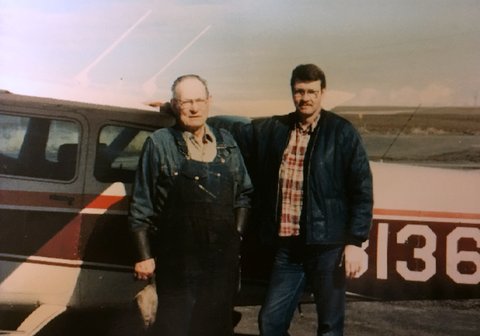
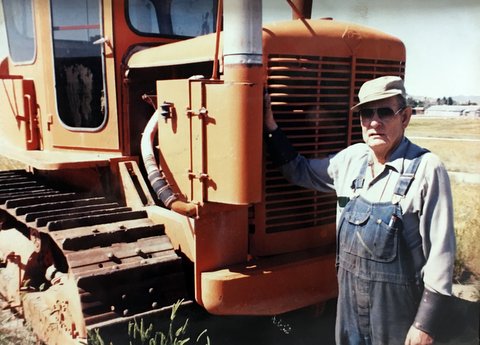
Weldon Barnes grew up repairing farm equipment on the family farm near Waterville. He carried a simple belief: if people built it, people ought to be able to figure out how to repair it. By the early 1970s, neighbors knew where to bring equipment that needed fixing, and the work grew into Barnes Welding & Machine.
Weldon and David
David Barnes grew up around his father's work and helped whenever he could. After high school he attended Wenatchee Valley College, then graduated from Central Washington University in industrial education. After college, David joined Weldon and the two worked together to grow Barnes Welding & Machine.
Their farming background mattered. They understood what a breakdown costs when planting or harvest cannot wait, and they built shop capability around the problems customers were actually facing.
How the shop evolved
Barnes did not add processes to fill out a list. The shop added them when the work required a better way to repair, make, or modify a part.
Added the ability to machine bearing surfaces on semi axles, four-wheel-drive tractor housings, combine axles, and other agricultural components.
Made iron orders faster and supported trailers, header modifications, orchard mowers, and structural support members.
Supported accurate machined surfaces and keyways in combine and tractor shafts.
Supported packer-wheel rebuilding for wheat operations where seeding-time breakdowns made repair speed matter.
Agricultural problem solving
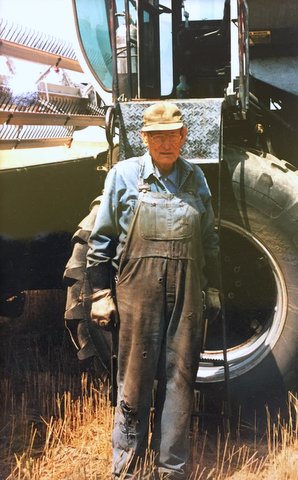
High-yield wheat operations faced packer-wheel failures during seeding. The Barnes family understood the problem from farming: when moisture conditions are right, time lost to a breakdown matters. That practical knowledge shaped the equipment and repair methods the shop pursued.
The same mindset still matters today—understand what the part or equipment has to do, then use the process that best fits the problem.
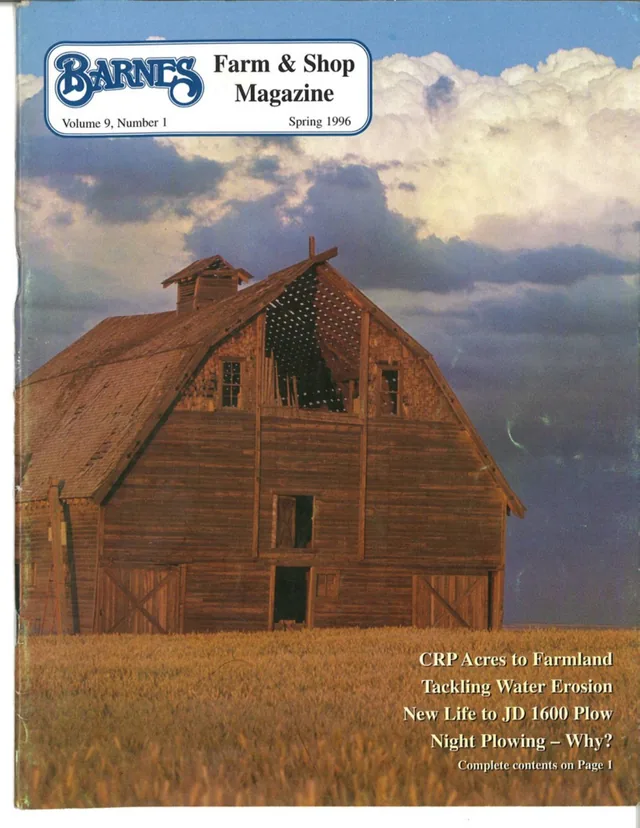
A practical publishing history
Dave and Weldon Barnes published Farm & Shop in the 1980s and 1990s. The magazine shared practical agricultural and shop knowledge and helped build awareness of Barnes throughout Washington, Oregon, and Idaho.
The issues are preserved in Barnes' internal website archive, where they can be read without leaving the site.
Read the archiveBarnes today
The company now works across machining, fabrication, design support, forming, balancing, hydraulics, repair, and broader manufacturing. The processes are newer and the markets are broader, but the useful thread is the same: understand the problem, stay resourceful, keep promises, and improve how the work gets done.
Start the conversation
Share the equipment, dimensions, quantity, timing, and result you need. We will review the work and current schedule.